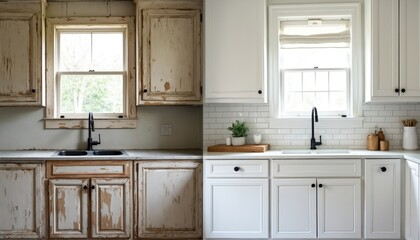
A cabinet makeover can dramatically change a kitchen’s appearance without requiring a complete renovation. When cabinet doors and surfaces look worn, faded, scratched, or outdated, refinishing can refresh the look while keeping the existing cabinetry in place. For many homeowners, one of the first questions is how much cabinet refinishing will cost. The answer depends on several factors, including cabinet size, material, condition, finish, preparation, labor, and project complexity. Understanding these factors can make it easier to create a realistic budget and determine whether refinishing is the right choice.
What Is the Average Cabinet Refinishing Cost?

Cabinet Refinishing San Jose CA cost can vary significantly from one project to another because no two cabinet systems are exactly alike. A small set of cabinets with simple doors and a relatively clean existing finish may require less time and materials than a large kitchen with numerous doors, drawers, decorative details, and surface damage. The type of refinishing method also affects the price. Painting, staining, glazing, and other finishing techniques can require different levels of preparation and labor.
Homeowners should also consider that the visible cost of refinishing is not limited to the paint or stain itself. Labor, cleaning supplies, sanding materials, primer, protective coatings, equipment, hardware removal, and reassembly may all contribute to the total. A project that appears inexpensive based only on material costs can become more involved once the entire process is considered. Getting a detailed assessment before beginning can help homeowners understand what is included in the estimated price.
Factors That Affect Cabinet Refinishing Cost
The size of the cabinet system is one of the most obvious factors affecting refinishing cost. More cabinet doors, drawer fronts, side panels, and exposed surfaces generally mean more preparation and painting time. A larger project requires more materials and may take longer to complete. However, the number of components is not the only consideration. Detailed doors with grooves, raised panels, decorative edges, or intricate designs may require additional work compared with simple flat surfaces.
The condition of the existing cabinets is another major factor. Cabinets that are already smooth and well maintained may require less preparation. Cabinets with peeling finishes, grease buildup, scratches, dents, or other damage may require extensive cleaning, sanding, and repair before refinishing begins. The additional preparation can increase labor costs but is often necessary for achieving a durable and attractive result. Skipping these steps can cause the new finish to peel, chip, or look uneven.
How Cabinet Material Influences the Price
The material of the cabinets can affect both preparation and refinishing methods. Solid wood cabinets are often suitable for several refinishing approaches, including staining and painting. However, the existing wood finish may need to be removed or carefully prepared before a new coating can be applied. The amount of work required depends on the condition of the wood and the existing finish.
Laminate, engineered materials, and other manufactured cabinet surfaces can require different preparation techniques. These materials may be smooth and difficult for standard coatings to adhere to without an appropriate primer. Specialized preparation products may therefore be necessary. The material should be identified before selecting a refinishing method because using an unsuitable product can lead to poor adhesion and premature deterioration.
Paint, Stain, and Finish Selection
The type of finish selected can influence the overall cabinet refinishing cost. Painting can provide almost unlimited color choices and completely change the appearance of cabinetry. Staining can enhance the natural character of suitable wood surfaces while changing their tone. Glazing and specialty finishing techniques can add depth and decorative detail but may require additional labor.
The quality of the finishing products also matters. Higher-quality coatings may have a higher initial material cost, but they can provide better durability and appearance when properly applied. Cabinets are exposed to frequent handling, cleaning, moisture, and everyday wear, so choosing a suitable coating is important. Homeowners should consider the expected lifespan and maintenance requirements of the finish rather than choosing a product based only on its initial price.
The Role of Surface Preparation
Preparation is one of the most important factors in cabinet refinishing cost. Before a new finish can be applied, the cabinets typically need to be cleaned thoroughly to remove grease, dirt, dust, and other contaminants. Sanding may be required to smooth the existing surface and improve adhesion. Damaged areas may also need to be filled and repaired before primer or finish is applied.
Although preparation increases the time required for the project, it should not be treated as an unnecessary expense. A beautiful finish can fail if it is applied over a contaminated or unstable surface. Poor preparation may result in peeling, cracking, uneven coverage, or premature wear. Investing in proper preparation can therefore help protect the quality of the final result and potentially reduce the need for future refinishing.
Labor and Professional Refinishing Costs
Labor is often a significant portion of cabinet refinishing cost because the process requires careful and detailed work. Unlike painting a large wall, cabinet refinishing involves many individual surfaces and components. Doors and drawers may need to be removed, labeled, cleaned, sanded, primed, painted, dried, inspected, and reinstalled. Each stage takes time and requires careful handling.
Professional refinishing can also involve specialized equipment and application techniques. Spray finishing, for example, can produce a smooth appearance but requires appropriate equipment, controlled application, and proper protection of nearby surfaces. Experienced professionals may complete the project more efficiently while reducing the likelihood of visible defects. Homeowners should consider both the labor involved and the quality of the expected result when evaluating professional refinishing costs.
DIY Cabinet Refinishing Cost
Some homeowners choose to refinish their cabinets themselves to reduce labor expenses. DIY refinishing can be less expensive in certain situations, particularly when the cabinet system is small and the homeowner already has some of the required tools. However, there are still several material and equipment costs to consider. Cleaning products, sandpaper, primer, paint or stain, brushes, rollers, protective coverings, and hardware supplies can add up.
Time is another important consideration. Cabinet refinishing can take significantly longer than expected because each door and drawer needs individual attention. The project may require several preparation and finishing stages, with drying time between applications. Mistakes can also increase costs if surfaces need to be stripped and refinished again. Homeowners should compare the potential DIY savings with the time, effort, equipment, and skill required before deciding which approach is more practical.
Cabinet Refinishing vs. Cabinet Replacement
One reason homeowners consider refinishing is the potential savings compared with completely replacing their cabinets. Replacement involves removing existing cabinetry and purchasing new cabinet boxes, doors, hardware, and other components. Installation and related adjustments can add significantly to the total project cost. Refinishing allows homeowners to preserve much of the existing cabinetry while changing its visible appearance.
However, refinishing is not always the best option. Cabinets with severe structural damage, extensive water deterioration, or significant warping may not be suitable for refinishing. In these situations, replacement may provide better long-term value. Homeowners should evaluate both the structural condition and desired appearance of their cabinets before deciding. If the existing cabinetry is strong and functional, refinishing can be a practical way to achieve a visual transformation without the expense of a complete replacement.
Ways to Control Cabinet Refinishing Costs
Homeowners can take several practical approaches to manage the cost of a refinishing project. Careful planning can help prevent unnecessary purchases and reduce material waste. Choosing a practical finish rather than an unnecessarily complicated specialty treatment can also keep expenses manageable. Updating existing hardware instead of replacing every piece may provide another opportunity to reduce costs while still creating a noticeable change.
Prioritizing preparation and essential repairs is generally more beneficial than cutting corners in areas that affect durability. A lower initial cost may not provide good value if the finish fails prematurely. Homeowners can also consider refinishing only the cabinet areas that are most visible or most worn if a complete project is not necessary. Making decisions based on long-term value rather than the lowest possible price can lead to better results.
Final Thoughts
Cabinet refinishing cost depends on many factors, including cabinet size, material, condition, preparation requirements, finishing products, labor, and application techniques. While DIY work may reduce labor expenses, professional refinishing can provide specialized knowledge, equipment, and a more consistent finish. Proper preparation should remain a priority because it directly affects the durability and appearance of the finished cabinets. Homeowners should also compare refinishing with replacement based on the structural condition of their cabinetry and their long-term goals. With careful planning and appropriate materials, cabinet refinishing can provide an attractive and practical way to update existing cabinets while avoiding the expense and disruption of a complete replacement.